
Gross Motor Skills Therapy: How Pediatric Occupational Therapy Helps Your Child
What is gross motor skills therapy?
Gross motor skills therapy is pediatric occupational therapy that helps children build the large-muscle strength, balance, and coordination behind sitting, crawling, walking, running, jumping, and climbing. A registered occupational therapist assesses your child’s movement, then uses play-based exercises to improve core stability, posture, and motor planning at home, school, and in the community.
Last updated: July 26, 2026 · Reviewed by a registered occupational therapist (OT) at Swift Health.
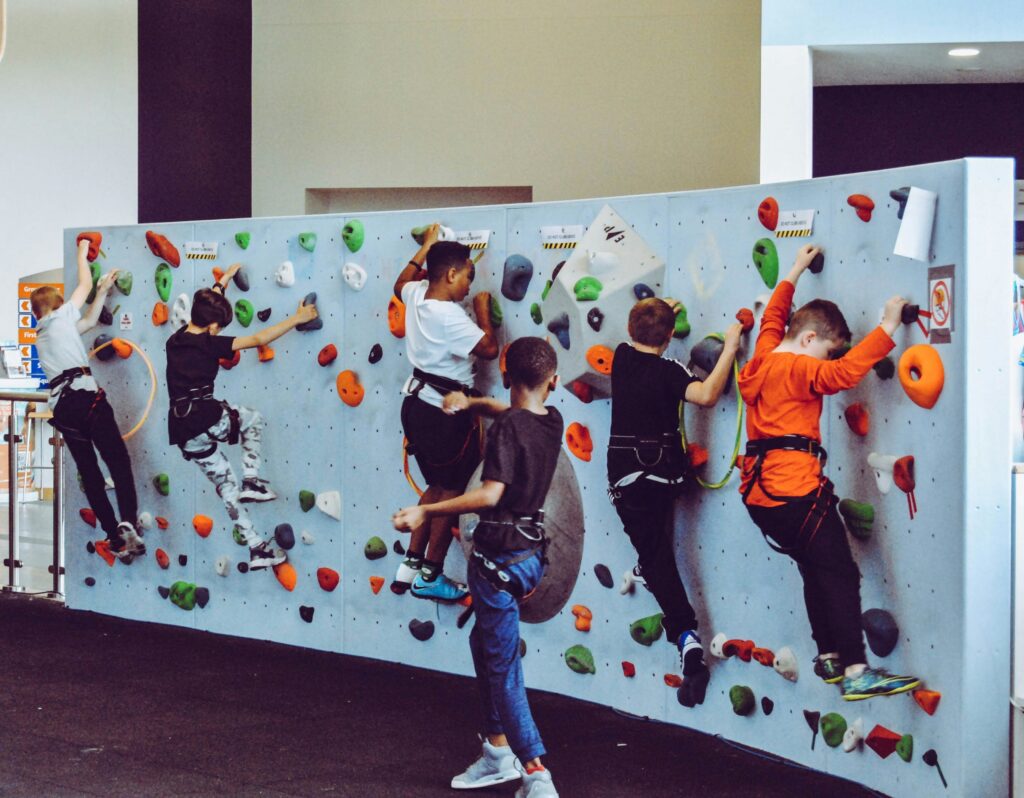
Gross motor skills play a crucial role in a child’s physical development and daily functioning. These skills involve the large muscle groups that allow children to sit, stand, walk, run, jump, climb, and participate confidently in play, school, and community activities. When gross motor skills are delayed or underdeveloped, children may struggle with balance, coordination, endurance, and confidence.
Pediatric occupational therapy (OT) provides targeted, evidence-based support to help children strengthen gross motor skills, improve coordination, and build confidence in movement. At Swift Health, our pediatric occupational therapists work closely with children and families to support healthy gross motor development in fun, engaging, and meaningful ways.
Quick answer: Gross motor skills therapy helps children strengthen the large-muscle movements used for sitting, crawling, walking, running, jumping, and balance. In pediatric occupational therapy, a therapist uses play-based activities to build core strength, coordination, and postural control so your child can move confidently and take part in everyday activities at home, school, and play.
What Are Gross Motor Skills?

Gross motor skills are movements that use the body’s large muscles, including the arms, legs, core, and trunk. These skills develop from infancy through childhood and are essential for independence and participation in everyday activities. Examples of gross motor skills include rolling, crawling, sitting, standing, walking, running, jumping, climbing, hopping, skipping, and riding a bike.
Strong gross motor skills support posture, balance, coordination, and physical endurance, all of which are foundational for both physical activity and fine motor development.
Signs of Gross Motor Delays in Children
Some children may benefit from pediatric occupational therapy if they experience:
– Frequent falls or poor balance
– Difficulty running, jumping, or climbing
– Awkward, stiff, or uncoordinated movements
– Low muscle tone or poor endurance
– Difficulty keeping up with peers during play or sports
– Avoidance of physical activities or movement-based play
If these challenges impact your child’s participation at home, school, or in the community, an occupational therapy assessment can help identify areas of need.
How Does Pediatric Occupational Therapy Help Improve Gross Motor Skills?
Pediatric occupational therapists use play-based and functional interventions to help children develop strength, coordination, and body awareness.
Build Strength and Endurance
OT sessions often include activities such as obstacle courses, climbing, animal walks, jumping games, and core strengthening exercises. These activities target large muscle groups and help improve postural stability, endurance, and motor planning.
Improve Balance and Coordination
Balance and coordination are essential for safe and confident movement. Occupational therapists use balance beams, dynamic surfaces, ball games, and bilateral coordination activities to help children improve stability and movement control.
Develop Body Awareness and Posture
Body awareness allows children to understand how their body moves through space. Pediatric OT interventions focus on posture, alignment, and controlled movement to support efficient and confident gross motor performance.
Support Functional Gross Motor Skills
Occupational therapy focuses on skills children use every day, such as navigating playground equipment, transitioning between activities at school, participating in physical education, and engaging in peer play. Therapy goals are tailored to each child’s daily routines and environments.
Use Engaging Play-Based Therapy
Children learn best through play. Pediatric occupational therapy sessions are designed to be motivating and fun while addressing developmental goals, helping children stay engaged and confident as they build new skills.
Why Early Intervention For Gross Motor Skills is Important
Early support for gross motor development can lead to improved independence, confidence, social participation, and school readiness. Addressing gross motor challenges early helps reduce frustration, supports physical health, and builds a strong foundation for future skill development.
Our Approach
At Swift Health, our pediatric occupational therapists provide comprehensive assessments and individualized treatment plans tailored to each child’s needs. We emphasize collaboration with families, functional goal-setting, and evidence-based therapy strategies to support meaningful progress.
Our approach includes:
– Individualized pediatric OT assessments
– Customized gross motor skill development plans
– Play-based, child-centred therapy sessions
– Parent education and home strategies
– Ongoing progress monitoring and goal updates
Gross motor skills are essential for a child’s independence, confidence, and participation in everyday life. Pediatric occupational therapy helps children strengthen their bodies, improve coordination, and move with confidence. If you have concerns about your child’s gross motor development, our pediatric occupational therapy team is here to help.
Contact Swift Health today to learn more about our pediatric occupational therapy services and to book an assessment here: Contact Us
Gross Motor Skills Therapy: Frequently Asked Questions
What is gross motor skills therapy?
It is therapy that helps a child strengthen the large-muscle movements behind sitting, crawling, walking, running, jumping, and balance. A pediatric occupational therapist uses play-based activities to build core strength, coordination, and postural control so the child can participate more fully in daily activities.
What are signs of a gross motor delay in children?
Common signs include reaching milestones (sitting, crawling, walking) later than expected, frequent tripping or clumsiness, low endurance or tiring quickly during physical play, difficulty with stairs, jumping, or catching a ball, and avoiding active play. If you notice several of these, an assessment can help.
Do you need a doctor’s referral for pediatric occupational therapy in BC?
No. You do not need a doctor’s referral to see an occupational therapist privately in British Columbia. Families can book a pediatric OT assessment directly with Swift Health.
Why is early intervention for gross motor skills important?
Gross motor skills are the foundation for coordination, independence, and confidence. Addressing delays early—while the brain and body are developing quickly—often makes progress faster and helps a child keep pace with peers at home, school, and play. If communication is also a concern, see our guide to communication options for non-verbal kids.
Reviewed by a registered occupational therapist (OT) at Swift Health. Last updated August 3, 2026.