
From Gestures to AAC Devices: 6 Communication Options for Non-Verbal Kids
Communication as a Human Need
Communication is a fundamental human need—but for non-verbal children, expressing thoughts, needs, and emotions can be a daily challenge. The good news is that communication goes far beyond spoken words. From simple gestures to advanced assistive technology, there are many effective ways to help non-verbal kids connect with the world around them.
In this article, we’ll explore a range of communication options, helping parents, caregivers, and educators better understand how to support and empower non-verbal children.
6 Cues in Understanding Non-Verbal Communication
Non-verbal children may not use spoken language, but that doesn’t mean they aren’t communicating. Many already use body language, facial expressions, or behaviors to express themselves. The goal is to build on these natural tendencies and introduce structured methods that make communication clearer and more consistent.
1. Gestures and Body Language
Gestures are often the first step in communication development. These can include:
- Pointing to objects
- Reaching for desired items
- Nodding or shaking the head
- Using facial expressions
Teaching intentional gestures—like waving for “hello” or tapping for attention—can give children immediate tools to express basic needs.
Why it works:
Gestures are simple, require no equipment, and feel natural for most children.
2. Sign Language
Sign language introduces a more structured way to communicate using hand movements and facial expressions. Even learning a few basic signs (like “eat,” “more,” or “help”) can significantly reduce frustration.
Benefits:
- Encourages language development
- Reduces behavioral challenges caused by communication barriers
- Can be used anywhere without tools
Tip: Start small. Focus on high-frequency words that are meaningful in the child’s daily life.
3. Picture Exchange Communication System (PECS)
PECS is a widely used method where children communicate by handing over pictures or symbols to express wants and needs.
How it works:
- A child gives a picture of an item (like a snack) to a communication partner
- Over time, they learn to build simple sentences using multiple pictures
Advantages:
- Easy to understand
- Builds intentional communication
- Great stepping stone to more advanced systems
4. Communication Boards and Books
These tools display symbols, pictures, or words that children can point to in order to communicate.
Types include:
- Basic boards with a few images
- More complex books with categorized vocabulary
Best for:
- Children who can point or visually scan options
- Situations where technology isn’t practical
5. Speech-Generating Devices (SGDs)
Speech-generating devices are electronic tools that produce spoken words or phrases when a child selects symbols, buttons, or text.
Examples of features:
- Touchscreens with icons
- Pre-programmed phrases
- Customizable vocabulary
Benefits:
- Provides a “voice” for the child
- Can grow with the child’s language abilities
- Highly engaging and motivating
6. Communication Apps and Tablets
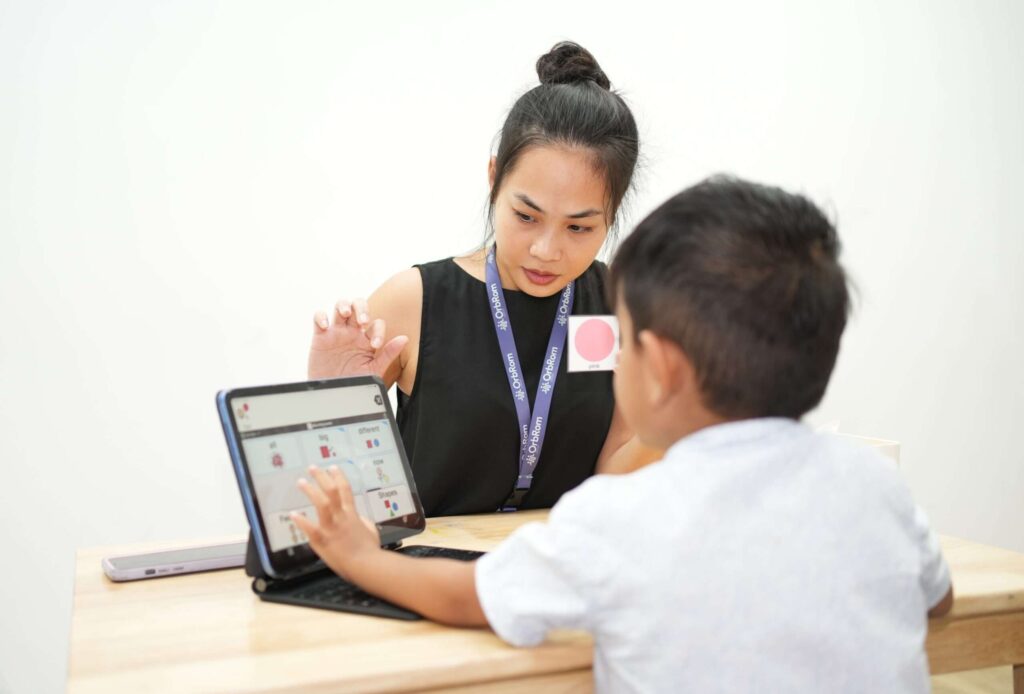
Modern tablets and apps have made assistive communication more accessible than ever. Augmentative and Alternative Communication (AAC) apps can turn a tablet into a powerful communication device.
Popular features:
- Visual symbol libraries
- Text-to-speech output
- Customizable layouts
Why families love them:
- Portable and socially accepted
- Flexible and easy to update
- Often more affordable than dedicated devices
Choosing the Right Communication Method
Every child is unique, so there’s no one-size-fits-all solution. The best approach often involves a combination of methods.
Consider:
- Motor skills (can the child point, tap, or sign?)
- Cognitive level
- Sensory preferences
- Environment (home, school, community)
Working with a speech-language pathologist can help identify the most effective tools and strategies.
Supporting Communication at Home and School
Consistency is key. Here’s how you can support a non-verbal child’s communication journey:
- Model the use of gestures, signs, or devices
- Respond positively to all communication attempts
- Create opportunities to communicate (don’t anticipate every need)
- Be patient—progress takes time
Final Thoughts
Communication is more than speech—it’s connection, expression, and independence. Whether a child starts with simple gestures or uses advanced technology, every step toward communication is a meaningful one.
By exploring and embracing different communication options, we can give non-verbal children the tools they need to share their voices—no matter how they choose to express them.