
Improving Fine Motor Skills Through Pediatric Occupational Therapy: How OT Helps Children Build Strength, Coordination, and Confidence
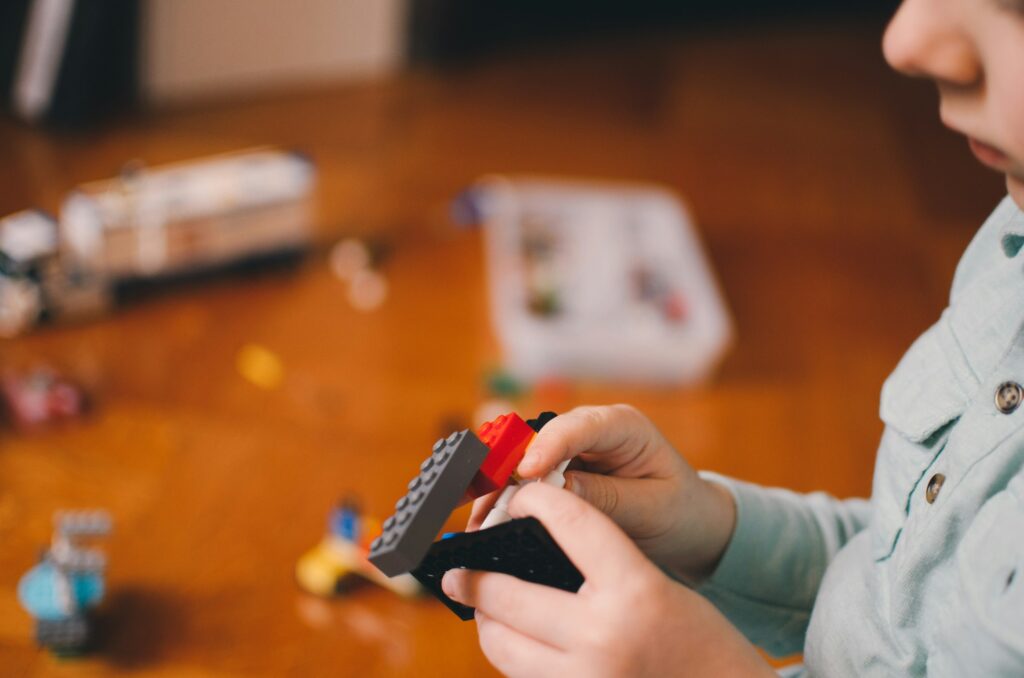
Fine motor skills are essential for nearly every part of a child’s daily life—from writing and colouring to buttoning clothing, using utensils, tying shoelaces, and participating in classroom activities. When children struggle with fine motor skills, tasks that seem simple for their peers can feel frustrating and overwhelming.
Pediatric occupational therapy plays a crucial role in helping children strengthen fine motor skills, improve coordination, and build independence. At Swift Health, our pediatric occupational therapists use evidence-based, child-centered techniques to support children in developing the foundational skills needed for school, self-care, and play.
What Are Fine Motor Skills?
Fine motor skills involve the small muscles of the hands, wrists, and fingers, working together with the eyes and brain to complete precise movements. These skills form the basis of many tasks children complete every day, including:
- Holding a pencil or crayon
- Writing and colouring
- Using scissors
- Buttoning, zipping, tying, and dressing
- Opening containers or snack packages
- Manipulating toys like LEGO, puzzles, or beads
- Eating with utensils
When fine motor delays are present, a child may avoid schoolwork, struggle with self-care tasks, or fall behind developmental milestones.
Common Signs Your Child May Have Fine Motor Skill Delays
A child may benefit from pediatric occupational therapy if they show signs such as:
- Poor pencil grasp or difficulty holding writing tools
- Slow, messy, or hard-to-read handwriting
- Difficulty cutting with scissors
- Weak hand strength or quick hand fatigue
- Trouble with buttons, zippers, or tying shoes
- Difficulty opening food containers
- Avoiding colouring, drawing, or craft activities
- Trouble manipulating small objects
- Slow completion of classroom tasks
If these concerns sound familiar, an occupational therapy assessment for fine motor skills can help identify where your child needs support.
How Pediatric Occupational Therapy Improves Fine Motor Skills
Pediatric OTs use structured, play-based interventions backed by developmental research. Here’s how OT helps children strengthen fine motor skills:
1. Building Hand Strength and Finger Control
Weak hand muscles can affect writing, cutting, and self-care tasks.
OT sessions may include:
- Theraputty exercises
- Playdough squeezing and rolling
- Tweezers and tong games
- Grip-strengthening activities
- Pincer grasp tasks (beads, buttons, pegs)
These activities improve precision, endurance, and hand stability.
2. Improving Hand-Eye Coordination
Hand-eye coordination is essential for writing, cutting, and manipulating objects.
Occupational therapy activities include:
- Pegboards
- Tracing and pre-writing patterns
- Bead stringing
- Catch-and-throw games
- Puzzle building
These tasks enhance accuracy and visual-motor integration.
3. Developing Proper Pencil Grasp & Handwriting Skills
Many children need support with writing posture, letter formation, and pencil control.
OTs help children:
- Develop a functional pencil grasp
- Learn correct letter shapes
- Build writing speed
- Improve spacing and alignment
- Strengthen shoulder and core stability for better writing endurance
These improvements support academic success and confidence at school.
4. Strengthening Dexterity and Finger Isolation
Dexterity allows children to control small objects, use tools, and complete everyday tasks.
OT strategies include:
- Button boards
- Lacing cards
- Fine motor games
- Small-object manipulation
- Finger-strengthening exercises
These activities make daily tasks easier and more efficient.
5. Supporting Independence With Self-Care Skills
Occupational therapists help children practice:
- Buttoning and unbuttoning
- Zipping and snapping
- Tying shoelaces
- Using utensils
- Managing clothing and backpacks
These functional skills boost independence at home and school.
6. Using Play-Based, Child-Centered Therapy
Children learn best when therapy feels fun.
Our OTs use:
- Crafts
- Sensory play
- Creative tasks
- Building and construction toys
- Movement-based activities
Play keeps children engaged while targeting essential motor skills.
Why Early Intervention for Fine Motor Skills Matters
Early support leads to:
- Improved academic readiness
- Increased independence in daily routines
- Stronger confidence and self-esteem
- Better participation in classroom and play activities
- Reduced frustration at home and school
Pediatric occupational therapy helps children build lifelong skills.
The Swift Health Approach to Fine Motor Development
At Swift Health, our pediatric occupational therapist provides:
- Individualized occupational therapy assessments
- Evidence-based OT interventions
- Play-based therapy sessions
- Parent coaching and home practice programs
- Progress tracking and goal setting
We work closely with families to ensure children feel supported both in therapy and at home.
Conclusion: Pediatric Occupational Therapy Helps Children Thrive
Fine motor skill development is essential for a child’s independence and success. With the support of pediatric occupational therapy, children can strengthen hand skills, improve coordination, and feel more confident in daily activities.
If you’re concerned about your child’s fine motor skills, Swift Health offers comprehensive pediatric occupational therapy to help your child reach their full potential. Contact us today to book an assessment: https://swifthealth.ca/connect.